

Visual Density and the Language of Art
Visual Density is a central concept for artists curators and designers who want to shape how viewers perceive a work. At its core Visual Density describes the perceived amount of visual information in an area of an artwork. That perception influences mood focus and narrative. In this article we explore what Visual Density means how to measure it and how artists can use it as a deliberate tool to guide attention and amplify meaning. For those who wish to learn more about contemporary art practice and editorial guidance you can visit museatime.com to find essays interviews and curated features that expand on this topic.
What Visual Density Covers
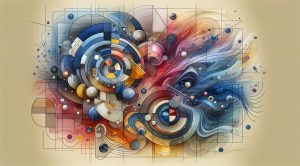
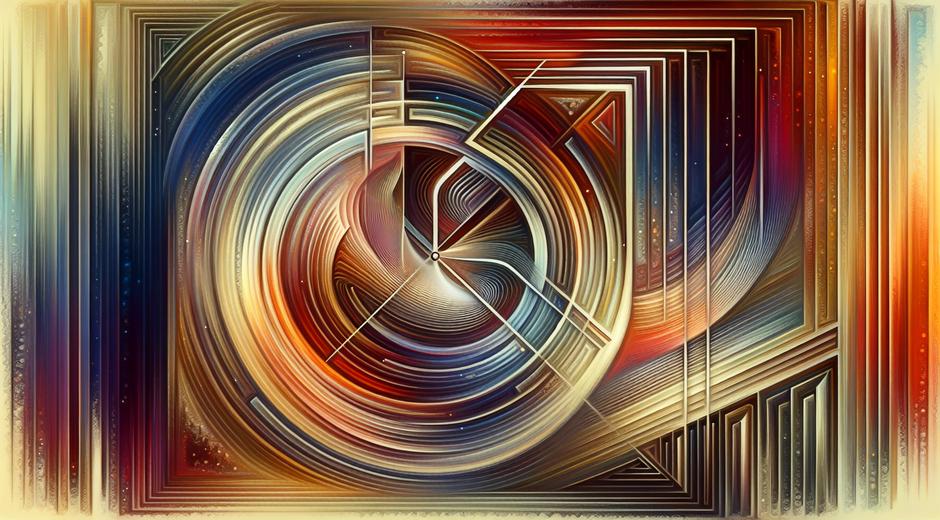
Visual Density is not a single attribute. It combines elements such as color complexity contrast detail texture and the arrangement of forms. A canvas covered in many small marks will feel denser than a canvas with broad open surfaces even if both contain the same overall amount of paint. Equally a photograph with layered signage and overlapping shapes will carry greater perceived information than a photograph with a single subject and empty space. Visual Density therefore has both quantitative and qualitative facets. Quantitative factors include count of elements and spatial frequency. Qualitative factors include thematic complexity and symbolic load.
Why Visual Density Matters in Art
Understanding Visual Density helps artists make clear choices about composition and viewer engagement. High Visual Density can be energizing or overwhelming. It can create rhythm and visual texture that reward prolonged viewing. Low Visual Density can emphasize solitude quiet and focused attention. Many iconic works succeed because they balance dense areas with calm areas so the eye can travel and return. Galleries and curators also rely on Visual Density when planning displays. Highly dense works placed together can produce a feeling of chaos while alternating dense and sparse works create a restful viewing flow.
Elements That Increase Visual Density
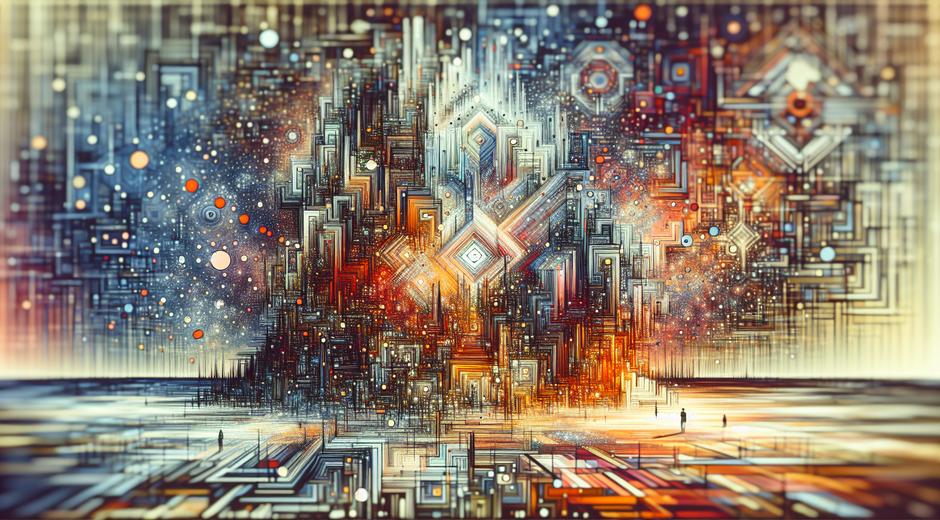
Several visual elements tend to increase perceived density. These include fine patterning complex color shifts many overlapping forms and intense contrast. The presence of text multiple focal points and detailed background activity also raises density. Materials and surface treatment matter too. A glossy highly detailed surface may read as denser than a matte painted field because reflections and micro texture add visual data. Artists who want to boost density can layer marks increase color variation and introduce secondary motifs that interact across the plane.
Techniques to Control Visual Density
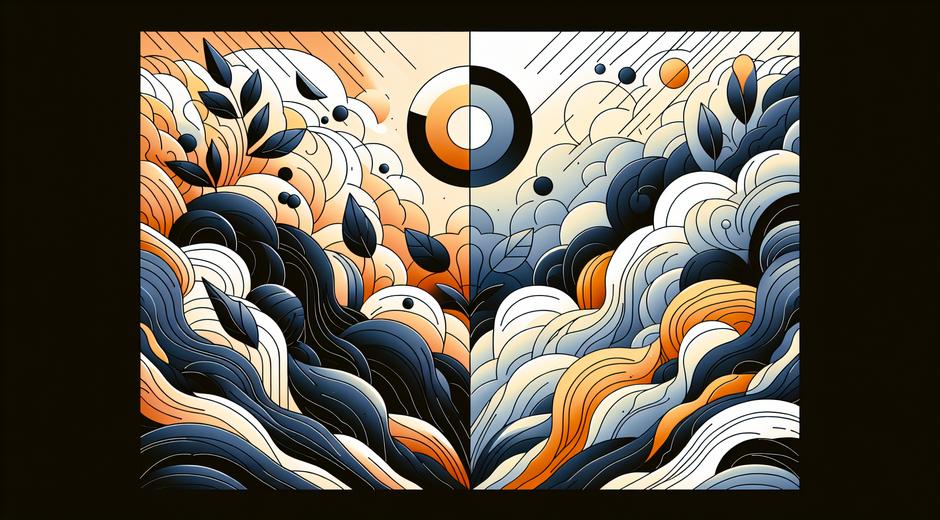
Artists have many strategies to manage Visual Density with precision. One method is selective detailing where specific zones receive intricate work while others are left more open. Another is value modulation where tonal contrast is used to create depth while limiting the number of competing elements. Color economy is effective when a limited palette reduces the sense of clutter even if detailed mark making is present. Negative space is a powerful tool. By intentionally leaving areas empty artists allow the eye to rest which amplifies the impact of dense regions. The interplay of dense and sparse areas creates a dynamic visual narrative that can guide the viewer through a work.
Measuring Visual Density for Analysis
While Visual Density includes subjective aspects it can be analyzed with measurable indicators. Counting discrete elements examining spatial frequency using grid methods and calculating contrast ratios are practical starting points. Digital tools allow deeper analysis. Techniques such as pixel variance and edge detection can quantify the amount of visual detail present. Museums and conservation teams use such methods to document changes in texture and to evaluate reproductions. For writers and educators quantification supports clear comparisons between works and helps explain why certain pieces feel busy or calm.
Visual Density in Different Media
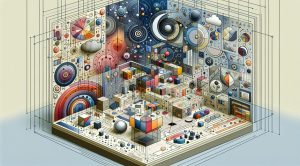
Visual Density manifests differently across media. Painting allows for built up surface and physical accumulation of materials which creates literal density as well as perceived density. Sculpture can have density in form complexity and surface treatment. Photography depends on composition framing and choice of depth of field to control density. Digital art adds its own possibilities such as layered transparency and algorithmic repetition which can produce highly complex patterns. Installation art often manipulates the gallery environment to create immersive density that surrounds the viewer and alters movement through space.
The Role of Context and Scale
Context and scale dramatically affect how Visual Density is read. A highly detailed small work may feel intimate and dense while the same level of detail on a mural can be lost when viewed from a distance. Display context matters too. A dense work in a cluttered room will read differently than the same work in a minimalist white cube. Curators think in terms of visual spacing and breathing room when arranging exhibitions. These decisions shape the viewer journey and determine which parts of an artwork are amplified.
Emotional and Narrative Effects
Artists use Visual Density not only for aesthetic reasons but also to convey emotion and story. Dense areas can communicate complexity confusion abundance or richness. Sparse zones can suggest emptiness clarity or isolation. By varying density across a composition artists can create narrative arcs where scenes of chaos resolve into calm or vice versa. This interplay makes a piece feel alive and gives viewers cognitive landmarks to interpret meaning.
Practical Exercises for Artists
Experimentation helps artists master Visual Density. One simple exercise is to create a series of small panels each emphasizing a different level of density. Another exercise is to take a photograph and crop it progressively to see how density changes with framing. Use limited color studies to learn how chromatic choices affect perceived complexity. Collage is a useful practice because it naturally accumulates elements and forces decisions about layering and prioritization.
Visual Density and Digital Tools
Digital tools allow precise manipulation of Visual Density. Layers masks and filters let artists test different configurations rapidly. Algorithms can generate patterns that explore extreme density regimes and then those patterns can be scaled or edited for human interpretation. If you are researching technical approaches to image analysis and computational methods for visual culture you may find value in resources that bridge art and technology such as Techtazz.com which offers articles and tools that connect practical coding techniques with visual design concerns.
Final Thoughts on Visual Density
Visual Density is a versatile concept that bridges perception technique and meaning. For artists understanding how to read and shape density unlocks new ways to direct attention and to craft emotional tone. For curators and educators it provides a vocabulary to describe how works relate within a space. For viewers it explains why some pieces demand close inspection and others invite a calm slow gaze. By treating Visual Density as a deliberate part of the creative process artists can make confident choices that enhance clarity and impact.
In sum Visual Density matters across scales media and contexts. It is both an analytical tool and a creative resource. Practice observation analysis and controlled experiments to gain fluency. The more you work with this concept the more intentional and communicative your work will become.