

Visual Expression: The Art of Seeing and Being Seen
Visual Expression is the bridge between thought and perception. It is how artists shape ideas into forms that can be seen felt and understood. Whether you are a painter sculptor graphic designer or curator the mastery of Visual Expression helps you tell a story guide emotions and shape cultural conversations. In this article we explore what Visual Expression means the elements that compose it practical techniques to improve it and ways to use it effectively for artists brands and educators.
What Visual Expression Really Means
At its core Visual Expression is the intentional use of visual elements to communicate an idea or feeling. Color composition scale texture and the handling of space act like a grammar for images. When combined with context and intent these elements form a visual language that viewers interpret through their own experience. Visual Expression is not limited to fine art. It appears in illustration photography motion design and environmental design. Every visual choice shapes meaning.
Key Elements of Visual Expression
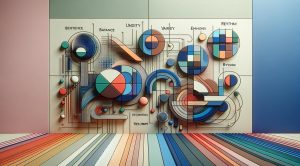
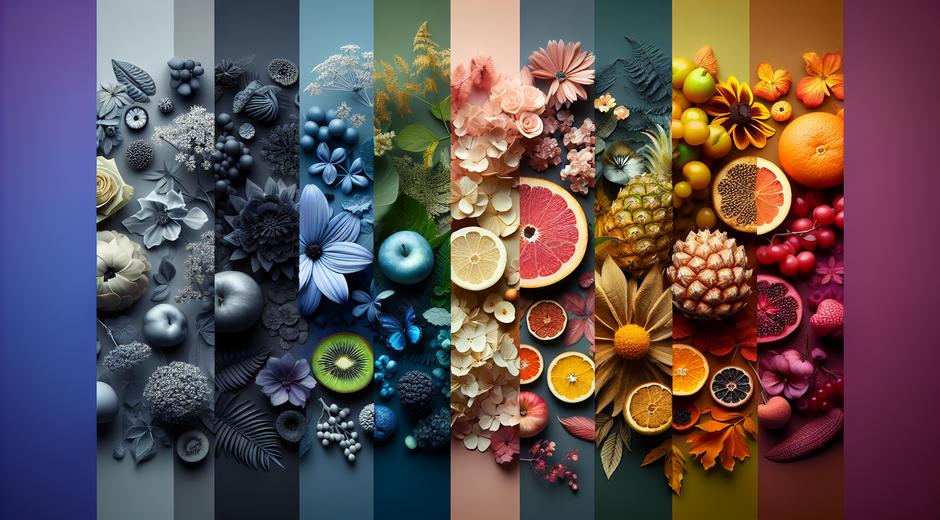
Understanding the elements gives you tools to craft stronger messages. Key elements include color tone and contrast. Color choices set mood and can direct attention. Line and shape establish structure and motion. Texture and surface treatment create tactile suggestion that invites close looking. Scale and proportion influence the perceived importance of objects and can produce dramatic tension. Negative space provides balance and can be the silent part of the conversation. Finally context and cultural reference provide layers of meaning that can make an image simple or complex.
How Visual Expression Shapes Emotion
Visual Expression operates on both conscious and subconscious levels. A composition with calm symmetry clear edges and soft color will feel orderly. A composition with jagged shapes high contrast and crowded space will feel urgent or chaotic. Skilled practitioners use this knowledge to guide viewer response. Even small shifts in contrast or a change in a single color can alter mood. Exploring these relationships through experimentation and critique is essential for growth.
Techniques That Strengthen Visual Expression
Improving Visual Expression is a deliberate practice. Start with observation. Train your eye to see how everyday objects present lines shapes and shadows. Sketching from life clarifies how light informs form. Study masters across disciplines to learn how they achieved clarity and feeling. Limit your palette to refine color decisions and then expand it as you master balance. Work with scale and exaggeration to emphasize key elements. Layer texture and mark making to add depth and personality. Keep a visual journal to track ideas experiments and breakthroughs.
Selecting the Right Medium for Your Expression
Different media offer different affordances. Oil paint allows for slow build up of color and rich blending while ink can provide crisp stark contrast. Digital media gives flexibility for iteration and motion based storytelling. Sculpture and installation engage space and invite physical interaction. Choose a medium that supports your intent and be willing to combine media to achieve complex effects. Interdisciplinary practice often yields surprising new forms of Visual Expression that resonate with contemporary audiences.
Visual Expression in Contemporary Culture
Today Visual Expression has become a central way people share identity and influence. Social platforms visually driven marketing and public art projects show how images shape public taste and political discourse. Designers and creators who understand Visual Expression can craft campaigns that feel authentic and earn trust. This influence carries responsibility. Visuals that mislead or stereotype can harm communities. Ethical Visual Expression respects context represents subjects fairly and seeks to expand understanding rather than narrow it.
Visual Expression for Artists and Brands
For artists Visual Expression is a signature a way to carve a unique voice in a crowded field. For brands it is a promise a way to express values through consistent imagery and product design. To develop a visual identity start with a clear statement of intent. What does the work stand for who is the audience and how should people feel after seeing it? Create visual guidelines that cover color typography image treatment and use of space. Test these guidelines in real world scenarios and adapt them as needed to keep relevance.
Many artists and small creative teams look for sources of inspiration and learning. For curated articles practical guides and community driven projects visit museatime.com to discover ideas that will help refine your practice.
Practical Exercises to Improve Visual Expression
Practice is the engine of improvement. Try daily rapid sketch sessions where you capture the essence of a scene in five minutes. Rearrange a familiar composition by changing one element such as color or scale and note how the reading changes. Create a study series where you isolate one element such as texture or negative space and treat it as the focal point for multiple works. Collaborate with practitioners from other fields to gain fresh perspective. Finally create public work even if small to observe how real audiences respond and iterate accordingly.
Tools and Resources to Support Visual Growth
Books online courses and community feedback all play a role. Trend sites and visual essay collections can reveal emerging directions in aesthetics and technique. For inspiration that focuses on beauty curated around practical advice consider resources that present current ideas and product thinking such as BeautyUpNest.com which highlights trends and visual approaches in lifestyle and beauty that can inform wider creative experiments.
Teaching Visual Expression
When teaching Visual Expression focus on principles not recipes. Encourage students to learn rules and then break them with intent. Use critique sessions that ask how a work makes the viewer feel and what specific visual choices drive that feeling. Promote cross cultural examples so learners can see how meaning shifts with context. Assessment should reward clarity originality and the ability to justify choices with visual reasoning.
Measuring Impact and Evolving Your Practice
Impact is not only measured by likes or sales. Track how work changes conversations how it supports collaborative projects and how it helps audiences see new perspectives. Collect feedback and study it for patterns that suggest strengths and gaps. Keep experimenting and document the process so you can identify what truly moves your audience. Evolution is part of any lasting Visual Expression practice.
Conclusion
Visual Expression is a powerful way to shape meaning and emotion. By mastering elements composition and intent artists and communicators can create work that resonates and endures. Use observation practice and ethical consideration as the foundation of your approach. Visit curated resources engage with community and commit to regular creation to refine your voice. Whether you work in traditional studio media or in motion and digital platforms Visual Expression remains the key to turning ideas into experiences that stay with people.