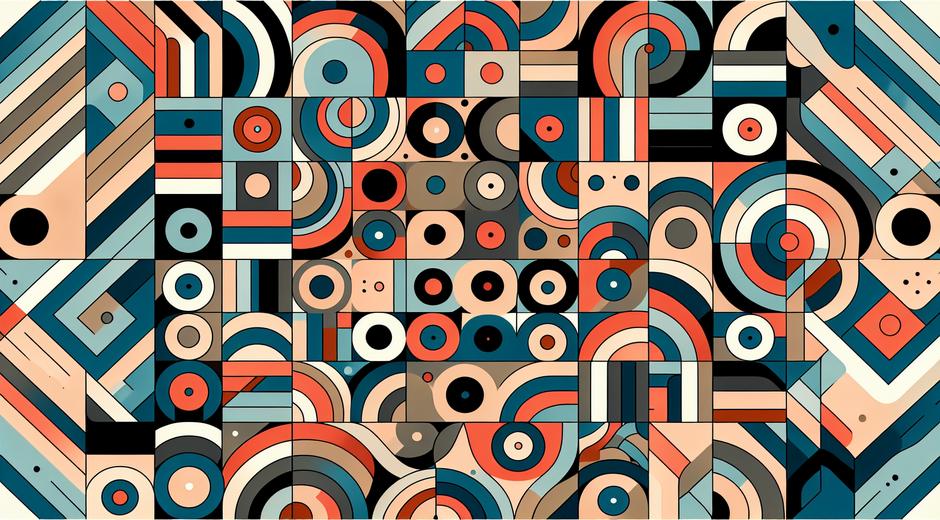


Visual Rhythm How Artists Create Movement and Flow
Understanding Visual Rhythm
Visual rhythm is a core principle that guides how viewers move through an image or space. It is the pulse that emerges when shapes repeat and vary across a composition. When artists master visual rhythm they control attention and emotion. This concept applies to painting photography sculpture installation design and digital media. The phrase visual rhythm captures both the pattern and the sense of timing that makes an artwork feel alive.
Key Elements that Create Visual Rhythm
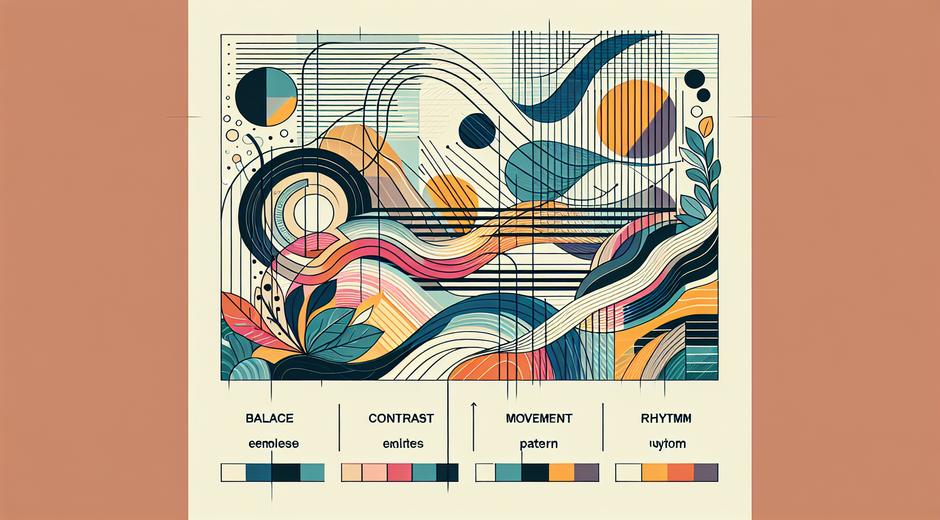
Several elements work together to produce visual rhythm. Repetition sets the base by repeating shapes colors or textures. Variation keeps repetition from becoming monotonous by altering scale color or spacing. Directional cues such as diagonal lines curved forms or implied sight lines guide the eye and set a tempo. Contrast of light and dark creates beats that can accelerate or slow down visual movement. Negative space acts as silence between notes offering pauses that strengthen the pattern. Together these elements form a vocabulary artists use to compose a scene that feels cohesive and dynamic.
Types of Visual Rhythm
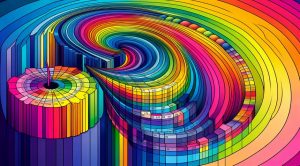
Rhythms can be regular where a pattern repeats at even intervals creating a steady beat. Rhythms can be flowing when curves and organic forms connect in a smooth sequence that feels gentle and continuous. Progressional rhythm occurs when an element changes gradually as it repeats such as a series of dots that grow in size. Alternating rhythm switches between two or more elements to create a more complex pulse. Each type produces a different emotional response and can be chosen to match the concept behind a work.
Applying Visual Rhythm in Different Art Forms
In painting visual rhythm might be achieved with brushstrokes that echo across a canvas or with a color palette that repeats in measured ways. In photography rhythm can come from repeating structural elements in architecture or from captured motion that suggests a sequence of events. In sculpture rhythm rises from repeated planes or a cadence of void and mass. In installation work rhythm can extend through time as viewers move through staged environments. Graphic artists use rhythm to guide readers through layouts while designers use it to shape the experience of a product or space. Whatever the medium the same principles apply and the same tools can be adapted.
Composing for Visual Rhythm
Compositional choices determine how effective visual rhythm will be. Balance the repeated elements with areas of rest. Use contrast to mark beats that you want the viewer to notice. Think about entry and exit points how a viewer first approaches the work and where the eye travels next. Create hierarchy so that rhythm supports the main idea rather than competing with it. Consider scale and spacing because a series of small marks grouped tightly will read differently from the same marks spaced widely. Subtle shifts in color or form help maintain interest while retaining unity.
Practical Exercises to Improve Your Use of Visual Rhythm
Practice makes the concept feel intuitive. Try these studio exercises to sharpen your skill.
Exercise one Create a page of repeated marks vary size and spacing and note how your eye moves. Turn the page upside down and observe shifts in rhythm.
Exercise two Photograph a single element as you move closer and farther. Arrange the images in sequence and study how progressional rhythm emerges.
Exercise three Build a small sculptural sequence with a repeated module. Change one parameter across the sequence and see how that change creates a narrative arc.
Each exercise trains you to sense tempo and tension and to spot opportunities to heighten or soften rhythm in your work.
Visual Rhythm in Storytelling and User Experience
Visual rhythm is not only an aesthetic device. It plays a functional role in storytelling and in user experience design. In a sequence of images rhythm can set the pace of a narrative. In a website layout rhythm can help visitors scan content with ease or it can guide them toward calls to action. Skilled designers use rhythm to build trust by offering predictable patterns that then resolve in moments of novelty. For readers or users rhythm can reduce cognitive load making complex information feel more approachable.
Examples from Art History
Classic examples of visual rhythm appear in textile patterns in ancient cultures where repeated motifs create a steady cadence. In modern art rhythm appears in the works of artists who explored seriality and repetition. Consider paintings that use repeated brushstrokes to generate motion or architectural facades where windows and columns produce a measured beat. Seeing examples across time helps clarify how similar strategies translate across materials and contexts while producing very different experiences.
Common Mistakes and How to Avoid Them
A common mistake is relying on repetition without variation which leads to boredom. Another error is creating too much complexity so that no pattern reads clearly. To avoid these issues introduce deliberate contrast and clear focal points. Use testing by stepping back and viewing from different distances and angles. Invite feedback from peers to learn if the rhythm reads as intended. Small edits in spacing or color often yield large improvements in perceived flow.
How Artists and Collectors Can Use Visual Rhythm
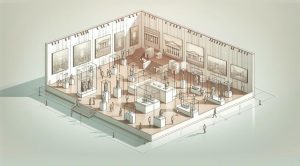
Artists can use rhythm to strengthen a portfolio by developing a signature way of handling pattern and movement. Collectors and curators can use an understanding of rhythm to arrange works in a group exhibition so that pieces converse through echo and contrast. A thoughtful sequence of works can heighten the visitor experience turning a visit into a narrative journey. For resources about curatorial practice and visual thinking visit museatime.com for essays and guides that explore these ideas in depth.
Tools and Materials that Support Visual Rhythm
Different tools produce different rhythmic effects. Soft brushes create flowing brushwork while hard edged tools make sharp repeated marks. A camera with a zoom lens can capture repeating motifs at varying scales. Digital tools allow precise control of spacing and color so that designers can experiment quickly with many variations. Working with physical materials such as textiles ceramics or metal offers tactile feedback that can inspire new rhythmic patterns that do not appear on a screen.
Promoting Your Work Using Visual Rhythm
When sharing work online craft images that communicate rhythm in thumbnail forms. A pattern that reads well at small sizes is more likely to attract attention in social feeds. Curate visual rhythm across a portfolio to create a consistent brand voice and make your work memorable. For curated collections that showcase romantic themed objects and artworks explore the offerings at Romantichs.com where pattern and mood are central to selection and display.
Why Visual Rhythm Matters for Viewers and Creators
Visual rhythm matters because it connects formal decisions to human perception. It allows creators to shape how moments unfold and how feelings emerge. For viewers rhythm provides navigation and emotional resonance. A well designed rhythm can be subtle and still profoundly affect how a work is remembered. It links composition to experience and intention to reception which is why it remains a foundational concept across creative practice.
Conclusion
Visual rhythm is a versatile tool that artists designers and curators can use to control movement and mood. By combining repetition variation contrast and space you can create compositions that pulse with life. Practice with deliberate exercises study historical and contemporary examples and test compositions in context. The more you refine your sense for rhythm the more confidently you can shape meaningful experiences for viewers. Embrace rhythm as both a formal strategy and a way to connect emotion and perception in every creative project.