

Narrative Composition in Visual Art: Crafting Stories with Form Color and Space
Narrative composition is a central practice for artists who want their work to do more than represent an object. It uses the language of form color and spatial arrangement to tell a story or to guide the imagination of a viewer. Whether you are a painter a sculptor a photographer or a digital artist understanding narrative composition helps you create work that communicates with clarity emotion and depth.
What is narrative composition
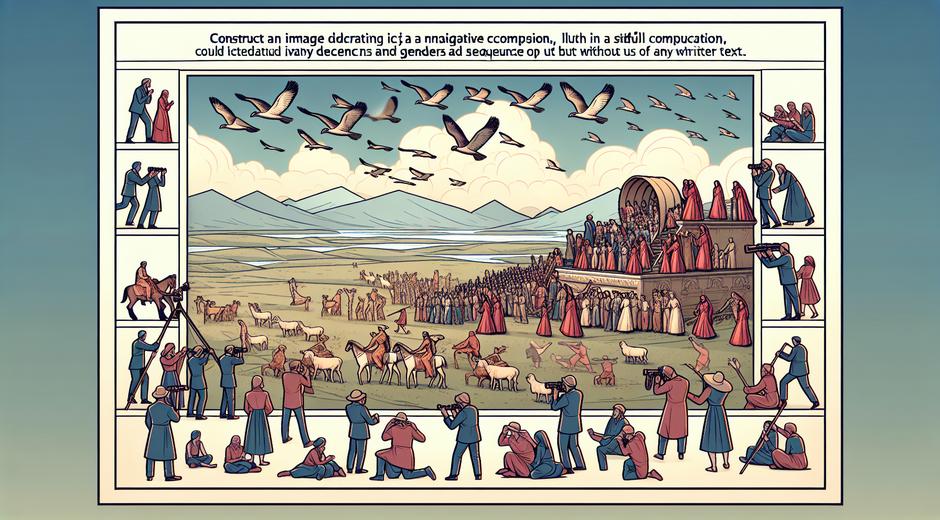
Narrative composition refers to the deliberate organization of visual elements to suggest sequence cause and consequence or to evoke a particular mood that implies a story. Unlike simple arrangement for balance or decoration narrative composition considers time action and relation. It shapes how a viewer reads an image and how meaning unfolds in the mind as the eye travels across the surface.
In practice narrative composition pulls together subject matter line color contrast perspective and scale so that each element plays a role in advancing the story. A single image can depict a moment within a larger tale or suggest an entire arc through symbolic detail and visual rhythm. The goal is to make the viewer an active participant in completing the narrative.
Key elements of narrative composition
Understanding the basic elements gives artists a toolkit for building narrative strength. These elements include focal point sequence movement gesture and context. A clear focal point draws attention to the most important part of the story. Sequence suggests order and can be implied through repeated forms or directional cues. Movement and gesture meet at the level of line and pose while context provides the background or details that define stakes and relationships.
Light and color are powerful carriers of narrative. Warm light can suggest intimacy or hope while cold light can imply isolation or threat. Saturation and contrast help prioritize elements. For example a brightly colored figure against a muted background becomes a protagonist in the visual drama. Texture scale and perspective can alter how intimate or monumental a scene feels which affects the viewer interpretation.
Compositional strategies to tell a story
There are proven strategies artists use to craft effective narrative composition. One strategy is to use directional lines to lead the eye. Lines can come from architecture textures implied gaze or gestures. Another strategy is to use rhythm through repeated shapes to create a sense of time passing or to build tension. Framing devices such as doorways windows or foreground objects can create a point of view that focuses the narrative.
Contrast is another strategy. Visual contrast not only makes certain elements stand out it also creates a narrative of conflict when opposing visual forces face each other. You can also use contrast of scale to imply power relations. For instance a small figure dwarfed by a looming form suggests vulnerability and heightens emotional stakes.
Planning your narrative composition
Good narrative composition often begins with planning. Start by clarifying the story you want to tell in one sentence. Then identify the main protagonist the setting and the conflict. Sketch multiple thumbnail compositions to test how different arrangements affect the story. Thumbnails let you experiment with focal points and movement without committing to detailed work.
Work from general to specific. Begin with broad masses and values to establish hierarchy and then refine shapes and details. Consider the viewing distance and format. An image intended for a large wall will use different scales of detail than a small print. Think about how the composition will read over time. Does it reveal new information on second or third viewing? Successful narrative composition rewards prolonged attention by offering layers of meaning.
Examples from art history and contemporary practice
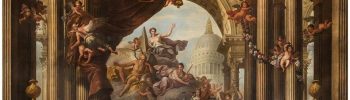
Art history provides many examples of narrative composition across cultures. Renaissance altarpieces organize multiple scenes within a single frame using architectural frameworks to guide reading. Japanese narrative scrolls unroll time horizontally which creates a unique pacing for visual story telling. Contemporary photographers often capture decisive moments that imply before and after while illustrators design sequential panels to direct eye flow between scenes.
Examining examples helps artists see how canonical rules are adapted to different contexts. Notice how a classical painting might use linear perspective to unify space while a modern piece might fragment space to suggest memory or dream. Both approaches use narrative composition but they make different promises to the viewer about coherence and interpretation.
Exercises to develop narrative composition skills
Practice is essential. Try these exercises to strengthen narrative instincts. First create a series of thumbnails that explore one story told from three different perspectives. Choose a point of view that changes the role of the protagonist and observe how the narrative shifts. Second assemble a still life of objects that suggest a relationship or conflict and paint or photograph it focusing on clear hierarchy and directional cues.
Third limit yourself to a small palette or to two tones to learn how value and contrast alone can carry narrative. Fourth tell a story using shapes only. Reduce forms to basic geometry and explore how arrangement implies interaction. These exercises help you prioritize story over detail and train you to make quick effective decisions.
Narrative composition across media
Narrative principles apply across media though each medium has its own constraints and strengths. In painting the tactile quality of brush strokes can add emotion. In sculpture the physical presence of volume invites viewers to move around the work creating sequential viewpoints. In photography and film framing and temporal editing become key narrative tools. Digital art allows interactive narratives where user action influences story development.
When moving between media think about the unique way each medium engages time and space. In a gallery installation consider how the viewer will walk into the space what sequence of frames they will encounter and how lighting will change the reading of the work. The narrative can unfold not only within each piece but across multiple works shown together.
Using narrative composition in professional practice
Artists who master narrative composition find it useful in building compelling portfolios and in communicating projects to curators and clients. A body of work that demonstrates coherent narrative concerns can be more memorable and more marketable. Teaching artist statements and proposals benefit from clear narrative framing. When explaining a project describe the story arc the key motifs and how composition supports the intended experience.
If you are seeking inspiration or resources to grow your practice visit museatime.com for essays tutorials and curated examples that focus on narrative and composition. For focused skill development and study techniques that support disciplined practice explore resources at StudySkillUP.com which offers study planning and learning strategies that artists can adapt for their studio work.
Common pitfalls and solutions
One common pitfall is overcrowding. Adding too many details can confuse the story. Solve this by simplifying elements and sharpening the focal point. Another pitfall is weak hierarchy where multiple elements compete for attention. Strengthen hierarchy by adjusting value contrast scale or color intensity so that the main subject reads immediately.
A third pitfall is telling rather than showing. Narrative composition is stronger when it invites inference. Avoid overreliance on text or explicit explanation within the image. Instead provide suggestive detail that engages the viewer imagination and lets them complete the narrative puzzle.
Conclusion
Narrative composition is a versatile approach that enriches visual art by turning static images into evocative experiences. By mastering focal control rhythm contrast and context artists can craft work that resonates emotionally and intellectually. Regular practice experimenting with perspective and studying diverse historical and contemporary examples will deepen your ability to shape narratives that matter.
Approach each work as an opportunity to tell a story with clarity and intention. With method and imagination your visual narratives will invite viewers to enter an imagined world and to stay there long enough to be moved.